
Behind-the-scenes players from Asheville Community Theatre, Flat Rock Playhouse and N.C. Stage Co. talk shop.


Behind-the-scenes players from Asheville Community Theatre, Flat Rock Playhouse and N.C. Stage Co. talk shop.

The graphic designer talks new projects and the city’s visual arts scene.

The potter talks new projects and the city’s craft scene.



The musician talks new projects and the city’s sonic scene.

The actor/writer/director talks new projects and the city’s film scene.

Tyger Tyger announces new exhibition of artists from around the world, Nancy Dillingham releases a new memoir, FiberFest returns, and more!

Both groups adjust to new names while sharing engrossing new collections.
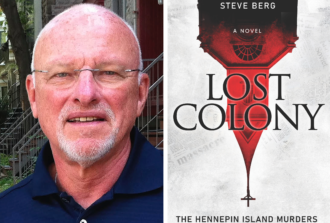
The former journalist discusses the challenges of shifting to writing novels.

A pair of one-person shows and a Roald Dahl musical are among this month’s top options.

The monthly events run April-August and feature Adama Dembele, Ann Miller Woodford, DeWayne Barton, Marsha Almodovar and Annette Saunooke Clapsaddle.
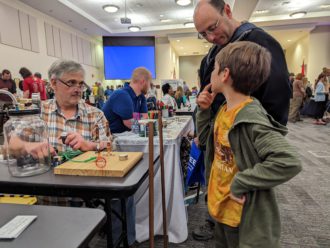
Maker Faire Asheville returns. Plus: Scuttlebutt premieres at LaZoom Room; a poetry showcase comes to Weaverville; and more!
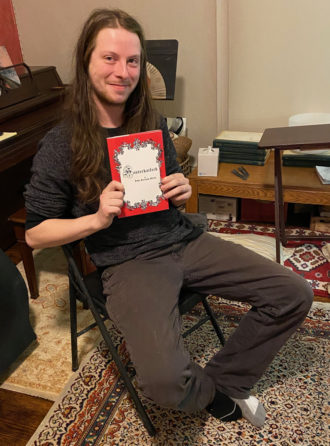
The Asheville-based author’s “Hinterkaifeck” delves into the still-unsolved 1922 murder of the Gruber family in rural Bavaria.

The co-founder of Theatrical Intimacy Education spoke at the Berlin International Film Festival in February.

In its latest exhibit, Honoring Nature: Early Southern Appalachian Landscape Painting, the Asheville Art Museum spotlights several early 20th century painters who captured the soaring vistas of the Great Smoky Mountains.
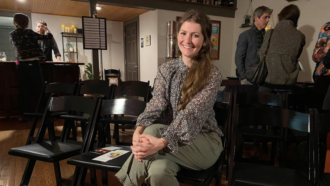
Story Parlor turns two, LEAF releases Gratitude Report, Downtown After Five returns and more!
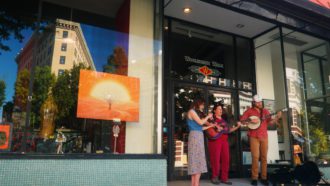
The singer-songwriter sought to capture parts of her longtime home that endure from her youth.

Friday, April 5 is the Asheville Tourists’ opening day. In this month’s “Best Medicine,” co-host Cayla Clark speaks with fellow local comedians about the team and if there’s a more appropriate name for the ball club.

Poet Nicole Farmer describes her father as a true chameleon. “He went from the mean streets of Chicago to being a golden gloves boxer, studying acting with Lee Strasberg, appearing on Broadway and years being a college history professor before he made his bold criminal move to raise money he needed to open his own honky-tonk.”

A Weaverville author launches her debut novel with an event at Blue Mountain Pizza. Also in this issue: Book discussion and activism events highlight Asheville Prison Books, a Yale singing group performs at the Basilica of St. Lawrence, Mountain BizWorks’ spring Craft Your Commerce workshop series and more.
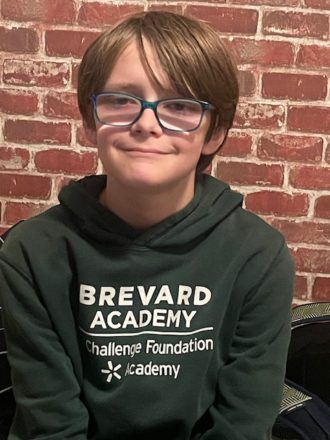
As part of Xpress’ Kids Issue, we speak with seventh grader Carson Coan about the Brevard Academy Comedy Club.

Witch is very loosely based on the 1621 English play The Witch of Edmonton by William Rowley, Thomas Dekker and John Ford. In Silverman’s version, none other than the Devil himself finds his way to Edmonton.