

For biologist Scott Bosworth of the North Carolina Wildlife Resources Commission, a typical day on the job may involve descending into caves and mines to count bats. Although Western North Carolina’s bat colonies are small compared with those that flock to the caverns of Kentucky, West Virginia or New York, a few caves in this region do host thousands of bats (hibernating at this time of year, clustered along the cave walls).
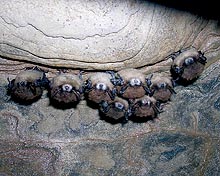
And recent events have lent a greater urgency to tracking these flying mammals. Lately, says Bosworth, e-mail has been piling up in his in box about a mysterious illness that’s dealt Northern bat populations a hefty blow. Some 200,000 bats in New York and Vermont have been killed by something that manifests as a white fungus around the muzzles of these tiny winged creatures. So far, the strange illness has produced more questions than answers. Biologists first noticed it during the 2006-07 hibernation season, but alarms went off over the past several weeks when the disorder was found to be infecting more bats across a wider range. Anxious to pinpoint the cause before the problem spreads any farther, teams of researchers in Florida, Colorado, Wisconsin and the Northeast have mounted an intensive quest for answers.
Of the animals felled by the illness—provisionally dubbed “white-nose syndrome”—some 50,000 were Indiana bats. Listed as a federally endangered species since 1967, there are only about 513,000 Indiana bats nationwide, wildlife biologist Bob Currie reports. But before the advent of this strange malady, the species had finally seemed to be making a comeback following years of decline, notes Currie, who works in the Asheville office of the U.S. Fish and Wildlife Service.
There aren’t many Indiana bats in Western North Carolina, he notes, though the discovery of an Indiana bat colony in the Nantahala National Forest in 1999 did halt a logging operation there, triggering a highly publicized dispute between environmentalists and loggers.
But this affliction has also been killing nonendangered bat species that are common in the region. “This could be a threat to all the bats in the East,” Currie warns. That’s bad news, because bats are major predators of irritating pests (read “mosquitoes”), he says. They also play a major role in controlling agricultural pests.
“It’s caught everyone by surprise,” says Currie. “The effort to find answers is going to intensify, and it’s not going to stop until we can figure out what’s going on. The consequences of not dealing with it could be devastating. What we need to do in the near future,” he believes, “is get a better understanding of the nature of this disease, and then maybe develop a strategy on how to limit its spread.”
Happily, cavers—the very people who may be most likely to inadvertently contribute to the spread of this illness—are on the alert. Bosworth, who started caving about three years ago as part of his professional work, also belongs to Flittermouse Grotto, a local cavers’ network. (Flittermouse is another word for “bat.”) “Recreational cavers are definitely on the lookout,” says Bosworth. “From our perspective as researchers and cavers, it’s important to realize that we may be affecting these populations, so we need to take precautions. Just because [the problem is] not here yet, it’s something we should still be concerned about. We’re concerned about the health of the entire Indiana bat population.”
Since white-nose syndrome was first detected, word has traveled quickly in the caving community, he says. Recreational cavers have been taking precautions such as decontaminating their gear, although to date little is known about how the bat sickness is spread.
Flittermouse Grotto member John Christie, who’s been caving since he was a teenager in southern Indiana, has occasionally helped Bosworth with bat counting. “I try to watch out, and keep track of what I see,” he explains. “I try and pay attention to what species of bats are around during the different times of year.” And while many people find bats repugnant, Christie says he likes them. “Cavers in general are just bat-friendly people,” he says. “If people knew all the things bats did for the environment, we probably wouldn’t have bats on the endangered-species list.”

Before you comment
The comments section is here to provide a platform for civil dialogue on the issues we face together as a local community. Xpress is committed to offering this platform for all voices, but when the tone of the discussion gets nasty or strays off topic, we believe many people choose not to participate. Xpress editors are determined to moderate comments to ensure a constructive interchange is maintained. All comments judged not to be in keeping with the spirit of civil discourse will be removed and repeat violators will be banned. See here for our terms of service. Thank you for being part of this effort to promote respectful discussion.